Your Food Waste Could Be Feeding Iowa's Soil.
Dining halls, cafeterias, and kitchens generate food waste every single day. WINR Centers turn it into natural fertilizer for nearby farms, giving your institution documented diversion numbers, a genuine community impact story, and progress on the goals you’ve publicly committed to.
Start Your Diversion Program →Or call: (712) 647-2810The Goals Are Set. The Outlet Is the Hard Part.
Public sustainability commitments
Your institution announced food waste and diversion goals. Now someone has to actually hit them, and that someone is you.
Mandates are coming
Food waste reduction requirements keep expanding. Getting ahead of them beats scrambling after them.
Disposal costs on a fixed budget
Hauling and tipping fees climb while institutional budgets don't. Every dollar on disposal is a dollar off mission.
Image matters
Students, patients, donors, and boards all care where your waste goes. "The landfill" is not the answer they want.
None of this is your fault. Until now, there hasn’t been a better system. We built one.
Diversion Numbers, a Local Story, and One Less Headache
Your food waste becomes fertilizer on farms your community can drive past. That's a sustainability achievement people can actually see.
Documented diversion
Tons diverted, tracked load by load: the numbers your sustainability office reports and your leadership announces.
A real community impact story
Campus food waste building soil on local farms is a story for the alumni magazine, the patient newsletter, and the annual report.
Progress on mandates
Get ahead of food waste requirements with a standing program, not a last-minute scramble when rules take effect.
Predictable costs
Competitive with current disposal, with pricing a fixed budget can plan around.
Simple to run
We handle logistics and documentation. Your facilities team gets a program that works without becoming someone's full-time job.
From Your Dock to a Farmer’s Field
We Assess Your Stream
Volume, composition, frequency, current disposal costs. No two waste streams are identical, so we design around yours.
We Handle Logistics
Pickup on a schedule that fits your operation. Transported to the nearest WINR Center. Documented end to end.
We Recover the Nutrients
Aerated Static Pile composting: controlled oxygen, temperature, and moisture. Consistent, high-quality output with lower emissions than traditional methods.
Farmers Put It to Work
Finished natural fertilizer goes to farms in our network. The nutrient cycle completes. Your waste built someone’s soil, and we can document it.
“A waste stream is just a nutrient out of place. Mother Nature made all of it. We just need to put it back where it belongs.”
Abe Sandquist, Founder, Natural Fertilizer Services
This isn’t an experiment.
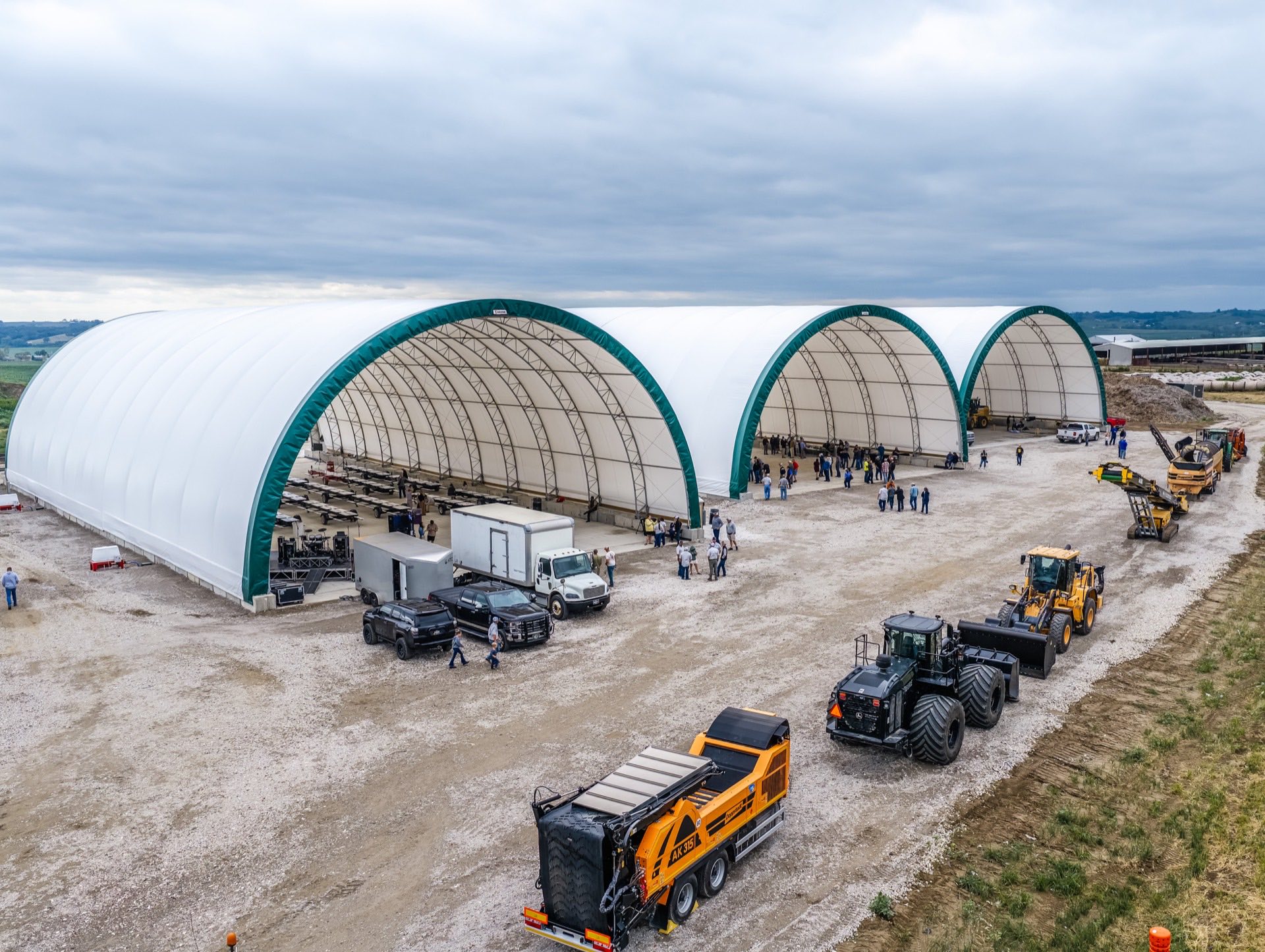
Abe Sandquist spent 20 years turning livestock manure from a liability nobody wanted into one of the most sought-after biological fertilizers in the Midwest. WINR Centers apply that same proven playbook to your waste stream, backed by a USDA Fighting for Producers and Entrepreneurs (FPEP) grant, two facilities underway in Western Iowa, and a third site already purchased.
- USDA FPEP grant recipient
- 20+ years in nutrient management and logistics
- Iowa Entrepreneur of the Year 2025
- Former USDA-NRCS
- Fully permitted, documented, and audit-ready
Questions We Hear
How does collection work for a campus or facility?
Can you help us report our impact?
What does it cost?
Where are you located?
How is this different from landfill disposal?
Turn Daily Waste Into a Daily Win
Book a free introductory call. We'll assess your stream, walk you through the WINR model, and tell you straight whether it's a fit. No obligation, no pitch.
Schedule Your Call →Or call directly: (712) 647-2810, Monday–Friday