Would Your Disposal Process Survive an Audit?
Every operator knows the question. The manure and washout solids have to go somewhere, and "somewhere" is exactly what a regulator will ask about. WINR Centers give you a fully permitted outlet, documentation on every load, and a liability transfer you can put in a filing cabinet.
Get Audit-Ready →Or call: (712) 647-2810You Know the Risk. There Just Hasn't Been a Better Option.
Regulatory exposure
Manure handling rules are real, enforcement is increasing, and informal disposal arrangements don't hold up under scrutiny.
Liability that stays with you
Wherever your washout solids end up, your name is attached. A downstream problem becomes your problem.
Limited disposal options
A handful of nearby fields and a handshake isn't a disposal program. When those options dry up, there's no Plan B.
Environmental risk on-site
Stored solids and wash water are a runoff incident waiting for a rainstorm. Every week they sit is exposure.
None of this is your fault. Until now, there hasn’t been a better system. We built one.
Permitted. Documented. Off Your Books.
WINR's founder built his career making manure a valued resource instead of a liability. This is the exact problem we know best.
Fully permitted outlet
Your solids go to a permitted nutrient recovery facility, not a field arrangement you'd rather not explain.
Liability transfer
Once we take it, the responsibility and the documentation are ours. You keep the receipt, not the risk.
Documentation on every load
Date, volume, destination, outcome: a paper trail built for the day someone asks to see it.
Consistent year-round access
No seasonal application windows. Your wash bays run all year; so does our acceptance.
Sleep-at-night compliance
If a regulator ever asks where your waste goes, the answer is one sentence and a folder of paperwork.
From Your Dock to a Farmer’s Field
We Assess Your Stream
Volume, composition, frequency, current disposal costs. No two waste streams are identical, so we design around yours.
We Handle Logistics
Pickup on a schedule that fits your operation. Transported to the nearest WINR Center. Documented end to end.
We Recover the Nutrients
Aerated Static Pile composting: controlled oxygen, temperature, and moisture. Consistent, high-quality output with lower emissions than traditional methods.
Farmers Put It to Work
Finished natural fertilizer goes to farms in our network. The nutrient cycle completes. Your waste built someone’s soil, and we can document it.
“A waste stream is just a nutrient out of place. Mother Nature made all of it. We just need to put it back where it belongs.”
Abe Sandquist, Founder, Natural Fertilizer Services
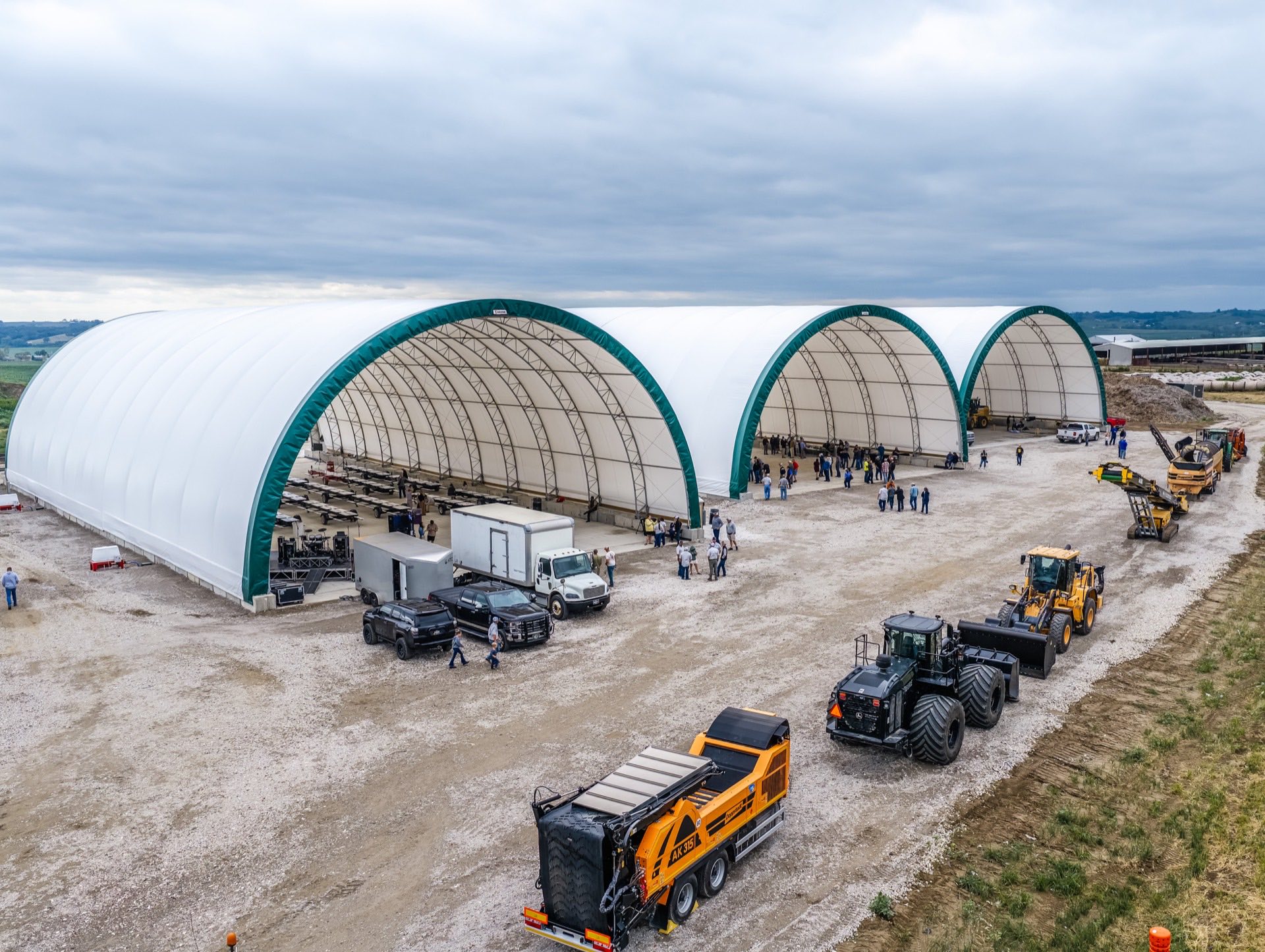
This isn’t an experiment.
Abe Sandquist spent 20 years turning livestock manure from a liability nobody wanted into one of the most sought-after biological fertilizers in the Midwest. WINR Centers apply that same proven playbook to your waste stream, backed by a USDA Fighting for Producers and Entrepreneurs (FPEP) grant, two facilities underway in Western Iowa, and a third site already purchased.
- USDA FPEP grant recipient
- 20+ years in nutrient management and logistics
- Iowa Entrepreneur of the Year 2025
- Former USDA-NRCS
- Fully permitted, documented, and audit-ready
Questions We Hear
Do you take both solids and liquid washout?
What documentation do we actually receive?
What does it cost?
Where are you located?
How is this different from landfill disposal?
Make the Audit Question Easy
Book a free introductory call. We'll assess your stream, walk you through the WINR model, and tell you straight whether it's a fit. No obligation, no pitch.
Schedule Your Call →Or call directly: (712) 647-2810, Monday–Friday